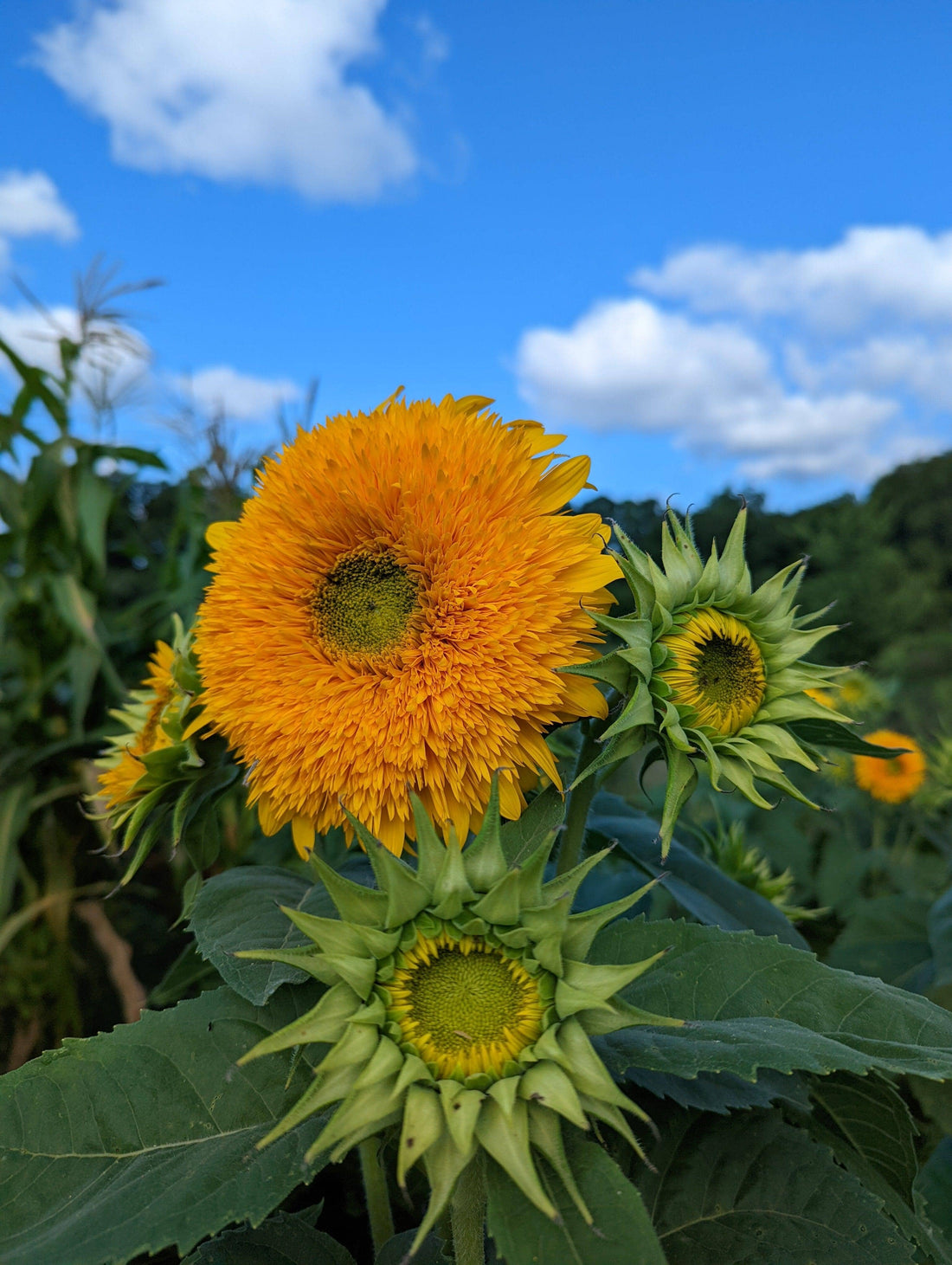
Wholeness in biodynamic farming means observing soil, plants, water, and habitat together. This essay links practical field observation with a measured Wisconsin whole-program soil-carbon comparison.
اشتراک گذاری
Health suggests wholeness: a living system works through relationships among its parts. Biodynamic farmers use the image of a farm organism to consider soil, plants, animals, water, and people together rather than as isolated inputs.
In 1926, South African Jan Christiaan Smuts published Holism and Evolution, giving a name to the idea of understanding a whole through its relationships. Rudolf Steiner's agricultural lectures preceded that book, and biodynamic practice likewise invites growers to observe the farm as a connected organism.
A mechanic can examine one part while still seeing the whole machine. In a field, growers can compare soil structure, roots, plant vigor, moisture, drainage, and surrounding habitat. Dry places may benefit from shade or ground cover; wet places invite a closer look at water movement, soil structure, and suitable plants. Those observations help guide compost, cover crops, biodynamic preparations, and site-specific water care.
Whole-farm care can also be measured. In a Wisconsin field comparison by Goldstein and colleagues, a biodynamic program with compost and spray preparations plus a nettle-manure compound field spray measured 4,664 kg C/ha of particulate organic-matter carbon, compared with 4,289 kg C/ha in the organic treatment: 9% more in the studied biodynamic program. The measured result belongs to that complete treatment, not to one individual preparation.
It means tending soil, plants, animals, water, and people as connected parts of one farm organism. Biodynamic growers use observation, compost, and the preparations within that whole-farm practice.
What can I observe to understand a field within the whole farm?
Compare soil structure, roots, plant vigor, moisture, drainage, and surrounding habitat across fields. Those observations guide site-specific care, including cover crops, compost, shade, and water management.
How do the biodynamic preparations support whole-farm care?
BD 500 is applied to soil, BD 501 to foliage, and BD 502–507 to compost. Used with crop diversity and careful observation, these practices connect soil, compost, and plant care.
What measured soil result illustrates a whole biodynamic program?
In a Wisconsin field comparison by Goldstein and colleagues, a biodynamic program with compost and spray preparations plus a nettle-manure field spray measured 9% more particulate organic-matter carbon than the organic treatment.