
Beyond Organic
Biodynamics helps you go beyond merely avoiding what is toxic and helps you include what is vitalizing.
اشتراک گذاری
The Demeter Biodynamic standard builds on organic requirements and adds whole-farm practices, including the biodynamic preparations. JPI uses these as distinct soil, foliage, and compost practices within attentive farm care.
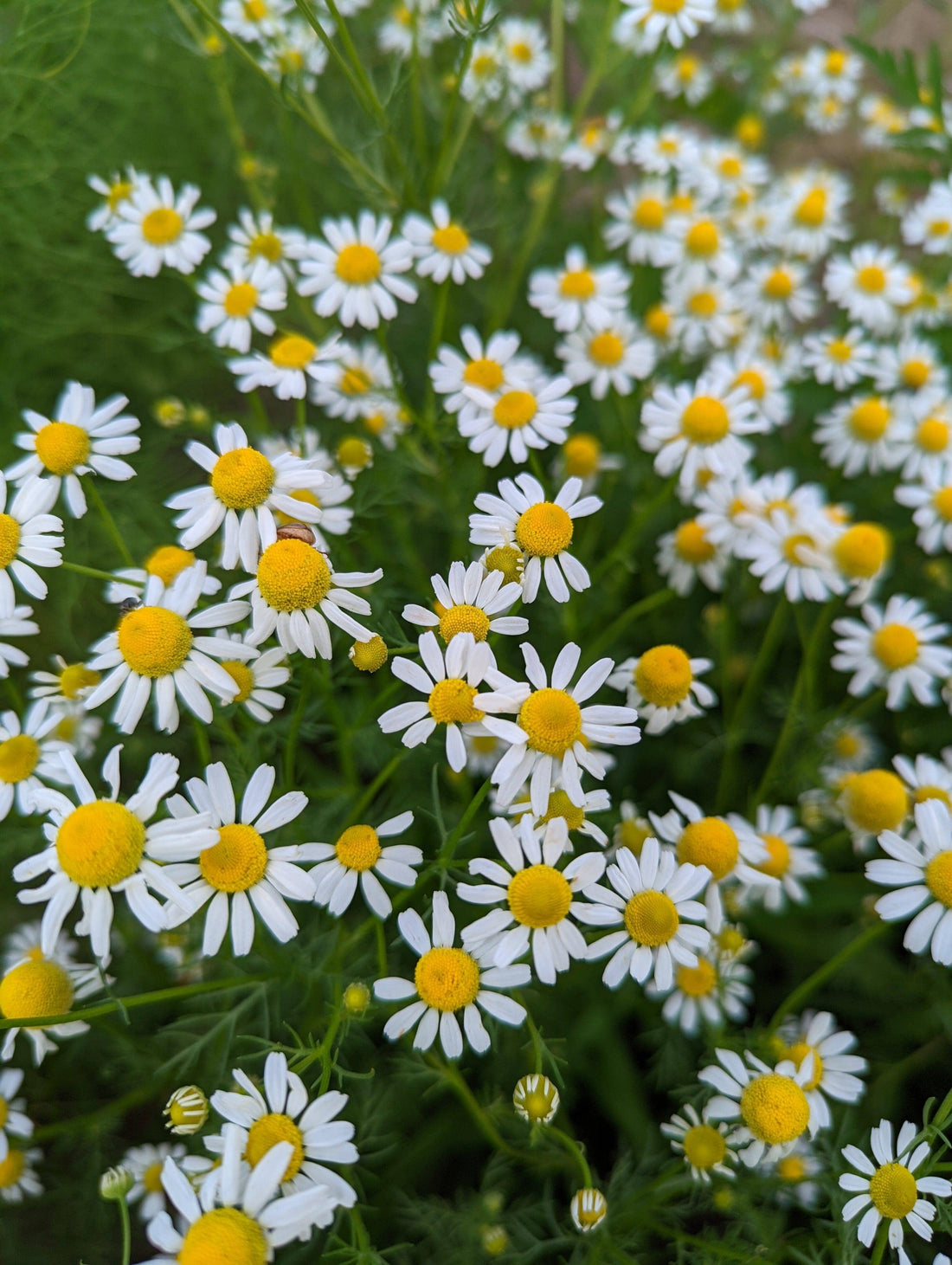
Horn Manure (BD 500) is used as a soil spray; Horn Silica (BD 501) is a foliar spray. The complete compost set (BD 502–507) brings prepared yarrow, chamomile, nettle, oak bark, dandelion, and valerian into a managed pile. Horsetail (BD 508) has its own fresh-foliar and fermented-soil uses.
The essay's image of offering a living compost pile purposeful care points to a practical program: assemble suitable organic materials, tend moisture and aeration, and use the complete BD 502–507 set according to JPI compost instructions. These small preparations work within composting, alongside the organic matter that forms the pile.
A 2026 controlled container-compost experiment compared composts with and without the complete BD 502–507 set. At 120 days, mature compost treated with the complete set supported greater growth of selected compost-associated bacteria than untreated compost, especially in the mixed manure-and-plant compost. This measured compost response gives one concrete example of biodynamic preparation use within a managed organic-matter process.


