真理与意义:它们之间的关系是什么?二者能否合二为一?这篇论文试图说明,自十七世纪以来,特定探究方法的兴起是如何在追求真理的过程中丧失意义的。同时,后现代哲学对意义的洞察也是通过牺牲真理而赢得的。下面我将借鉴歌德(J. W. von Goethe,1749-1832 年)、欧文-巴菲尔德(Owen Barfield,1898-1997 年)和鲁道夫-斯坦纳(Rudolf Steiner,1861-1925 年)的著作,试图调和真理与意义之间的矛盾,这种矛盾已成为当今时代的特征。具体地说,我希望说明歌德的知识方式,经过斯坦纳的完善和巴菲尔德在意识进化过程中的结合,能够在不牺牲前者的客观性和后者的主观性的前提下,将上述两极融为一体。
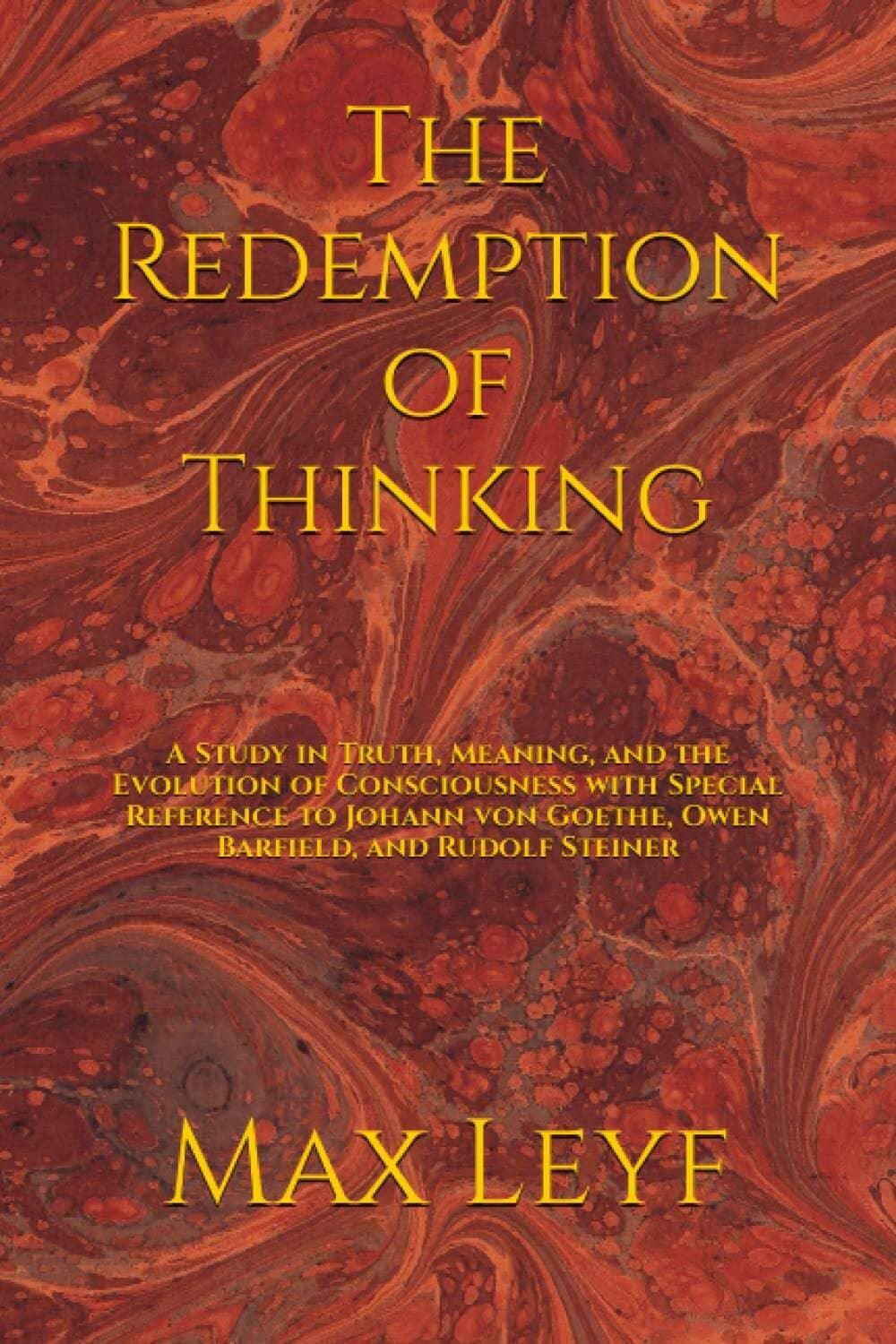
What is the main theme of 'The Redemption of Thinking'?
The main theme is exploring the relationship between truth and meaning, and how consciousness evolves by integrating both aspects without sacrificing objectivity or subjectivity.
Who are the key thinkers discussed in the book?
The book discusses the work of J. W. von Goethe, Owen Barfield, and Rudolf Steiner, focusing on their contributions to understanding truth and meaning.
What is the significance of Goethe's way of knowledge in the book?
Goethe's way of knowledge is significant for integrating truth and meaning, as it is perfected by Steiner and contextualized by Barfield in the evolution of consciousness.
Is 'The Redemption of Thinking' suitable for those new to philosophy?
Yes, it provides foundational insights into truth and meaning, making it accessible for readers new to philosophical concepts and the evolution of consciousness.