
Living soil
Build humus, biological activity, aggregation, root depth, and the soil’s ability to hold water and nutrients.
A free practical introduction
Learn how soil, plants, animals, people, place, and natural rhythms can be understood as one living system—and turn that perspective into careful, grounded practice.
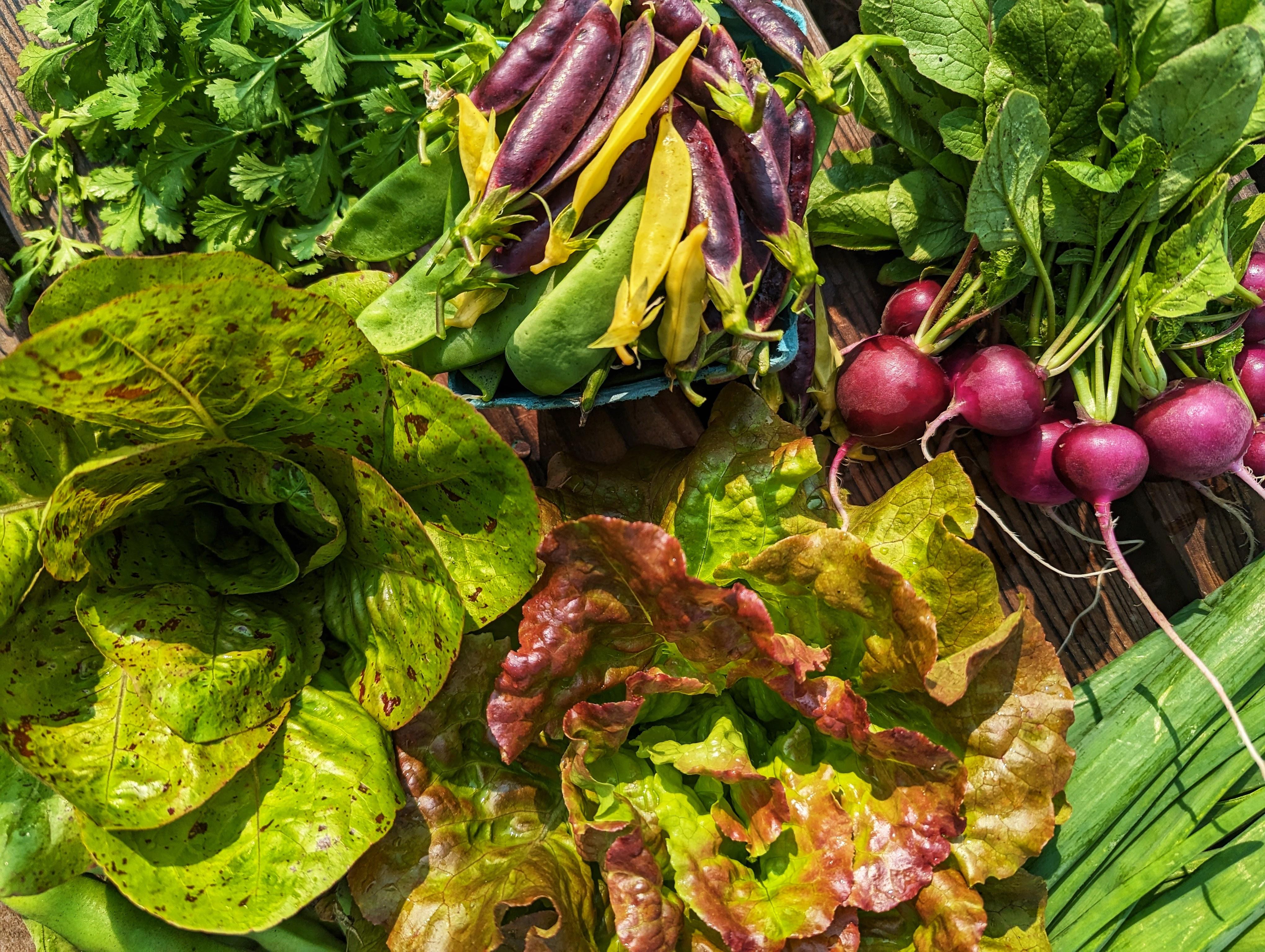
Biodynamics is a whole-farm approach joining soil building, biodiversity, compost, preparations, observation, and natural rhythms in service of healthier living systems.
The complete JPI learning journey
This guide gives you a clear route from the whole-system idea to practical instructions, product details, field reports, and further reading.
Open the complete Resources hubFour foundations
These ideas belong together. Preparations are not a substitute for sound farming, and a calendar is not a substitute for looking at the field.
Build humus, biological activity, aggregation, root depth, and the soil’s ability to hold water and nutrients.
Understand plants, animals, people, water, habitat, compost, and local conditions as one connected system.
Use compost and field preparations as part of wider soil care, diversity, observation, and good management.
Consider season, weather, crop stage, and natural rhythms while letting direct observation guide each decision.

The farm organism
What does this place receive, transform, and return?
Thinking in relationships reveals where fertility leaves, where water gathers, where habitat is missing, and where one part of the system can begin supporting another.
Choose your route
Each route begins with understanding and ends with a small, observable practice.
Begin with soil health, wholeness, and the garden as a living organism.
Review the foundations →Learn their role in compost and field care before considering application details.
Open the overview →Record moisture, smell, aggregation, roots, and surface life in one small area.
Build a checklist →Trace fertility, water, habitat, animals, crops, and people as one working system.
Review the foundations →Check handling, stirring, timing, and application guidance for the practice at hand.
View instructions →Define a question, note conditions, and compare results without changing too many variables.
Explore field reports →Start with the 1924 agricultural lectures and the continuing practice of whole-farm care.
Explore JPI resources →Use concise definitions for humus, preparations, rhythms, and farm organism.
Search the glossary →Continue into JPI’s archive for practitioner accounts and historical material.
Browse the archive →Your first field practice
Choose one small, repeatable place. The goal is not to diagnose everything at once; it is to create a baseline you can return to and compare.
Plain-language glossary
A whole-farm approach combining soil building, biodiversity, composting, nine preparations, careful observation, and attention to natural rhythms.
The view that soil, crops, animals, people, water, habitat, and local conditions form one interconnected living system.
Stable, well-transformed organic matter supporting soil structure, water retention, nutrient cycling, and biological activity.
Nine preparations made from mineral, plant, and animal materials and used in compost or as field sprays within a broader management practice.
Sun, moon, and planetary cycles considered alongside weather, soil, crop stage, and local conditions.
Continue learning
Continue into practical instructions, articles, practitioner accounts, and historical material.
The complete hub for educational pages, field guidance, archives, and further reading.
Open resource ↗Current guidance for handling, stirring, timing, and applying individual preparations.
Open resource ↗Product-specific details to consult before choosing, handling, or applying a preparation.
Open resource ↗Experiments, reflections, and historical material from JPI’s periodical archive.
Open resource ↗Common questions
Biodynamics shares organic agriculture’s emphasis on building soil and avoiding synthetic chemical pesticides and fertilizers. It also adds preparations, whole-farm planning, composting, biodiversity, and careful timing.
No. The whole-system perspective can inform containers, community gardens, orchards, vineyards, diversified farms, and many other scales.
Biodynamic principles are used in many climates. Timing, water volume, compost moisture, and seasonal practices should respond to local conditions.
No. Preparations are used within a wider practice of composting, crop diversity, water care, habitat, soil protection, observation, and responsible management.
Read the introduction, choose one observation area, and record what you can see, smell, feel, and compare later. A useful baseline is already a meaningful first step.
Keep practical knowledge moving outward
Your gift supports workshops, scholarships, instructions, archives, and freely shared resources for farms and gardens.
Support JPI’s education work