跳至产品信息
1 / 2

The Josephine Porter Institute

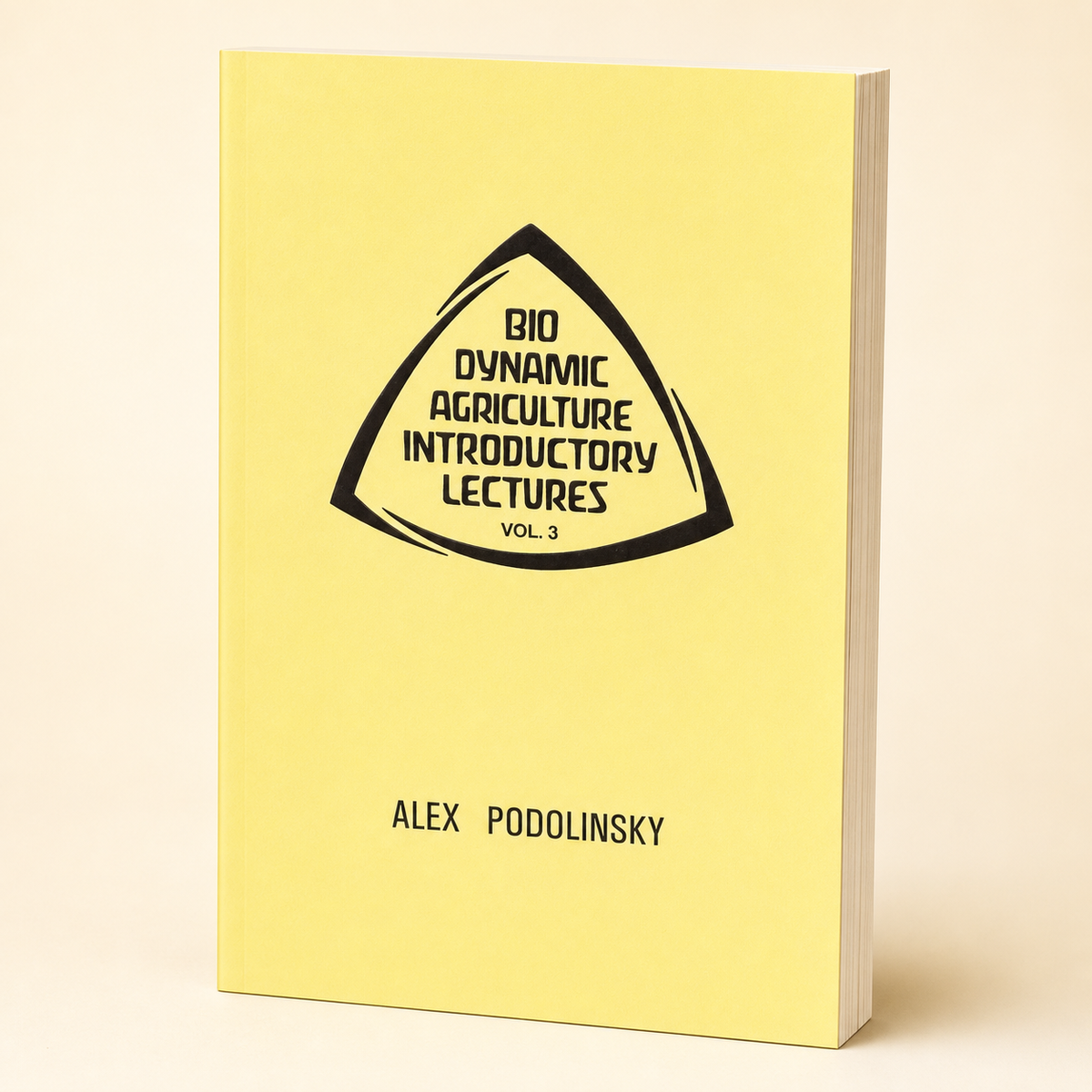
生物动力农业入门讲座第 3 卷》,亚历克斯-波多林斯基著

生物动力农业入门讲座第 3 卷》,亚历克斯-波多林斯基著

常规价格 $19.95 USD
常规价格 促销价 $19.95 USD
促销 售罄
结账时计算的运费。
数量
查看完整详细信息

描述

生物动力农业的更多细节,续第 2 卷。有机产业概述、营养、疾病、存在的目的、土壤结构、有机物和腐殖质、生病的植物意味着生病的土壤、生物动力制剂、有生命的地球、腐殖质的可持续性。

Frequently Asked Questions

What topics are covered in Biodynamic Agriculture Introductory Lectures, Vol. 3?

Volume 3 continues Podolinsky’s presentation of biodynamic agriculture through nutrition and disease, soil structure, organic matter and humus, the biodynamic preparations, the living and breathing Earth, and the sustainability of humus.

Does BD 500 work on bare sand, or around actively growing white feeder roots in sparse pasture?

Podolinsky wrote that 500’s effect develops with actively growing white feeder roots, rather than acting mechanically on bare soil. In sparse sandy grassland he observed the effect around the plants while the sand between them changed little. This describes where the response develops; it does not change JPI’s instruction to spray BD 500 on moist soil shortly before sowing or transplanting, mainly in spring or fall, after the prescribed one-hour stir. (Alex Podolinsky, Bio-Dynamic Agriculture Introductory Lectures, Vol. 3, p. 49.)

Why apply Prepared 500 after cultivating vegetable soil?

Podolinsky explains that cultivation can disrupt the structure and colloidal condition of active humus. He recommends Prepared 500 on newly cultivated vegetable soil so white hair roots develop as the crop grows and takes up elements, helping structure the soil within their reach. Follow JPI’s current Prepared 500 directions for the amount, stirring, water, and application. (Alex Podolinsky, Bio-Dynamic Agriculture Introductory Lectures, Vol. 3, p. 54.)

In Podolinsky’s Introductory Lectures Vol. III citrus-grove account, how did soil structure and orange flavor change over the years?

Podolinsky describes a citrus grove that had been organically managed for ten years, with regularly mowed white-clover-rich pasture beneath the trees, yet poor soil structure and white hair-root development, especially where “Round-Up” had been used. The oranges initially tasted “acidy bitter.” He says the herbicide after-effect made biodynamic soil-structure development take years longer than usual; as the soil gradually developed, “acidity reduced noticeably and was replaced by choicest sweet flavours.” This is his particular grove’s soil-and-fruit sequence. (Alex Podolinsky, Bio-Dynamic Agriculture Introductory Lectures, Vol. 3, p. 55.)