Passer aux informations produits
1 de 1

The Josephine Porter Institute

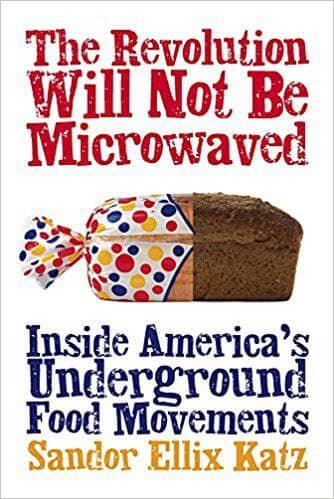
La révolution ne sera pas passée au micro-ondes : Inside America's Underground Food Movements par Sandor Ellix Katz

La révolution ne sera pas passée au micro-ondes : Inside America's Underground Food Movements par Sandor Ellix Katz

Prix habituel $22.00 USD
Prix habituel Prix promotionnel $22.00 USD
Promotion Épuisé
Frais d'expédition calculés à l'étape de paiement.
titre
Quantité
Afficher tous les détails

Description

Dans The Revolution Will Not Be Microwaved, l'auteur Sandor Ellix Katz (Wild Fermentation, Chelsea Green 2003) dresse le profil d'activistes locaux qui s'attaquent à Big Food, créent des alternatives significatives et remettent en question la façon dont de nombreux Américains conçoivent l'alimentation. Qu'il s'agisse d'agriculteurs locaux soutenus par la communauté, de jardiniers communautaires, de militants qui conservent les semences, de réseaux de distribution souterrains d'aliments de contrebande ou de ressources alimentaires récupérées dans le flux des déchets, ce livre montre comment les gens ordinaires peuvent résister au système dominant, relancer la production alimentaire communautaire et prendre la responsabilité directe de leur propre santé et de leur propre nutrition.
Questions fréquemment posées

What is “The Revolution Will Not Be Microwaved” about?

Sandor Ellix Katz profiles grassroots food movements that build meaningful alternatives through community farming, gardening, seed saving, food rescue, and local distribution.

Who is Sandor Ellix Katz?

Sandor Ellix Katz is a writer, teacher, and fermentation revivalist whose work connects food traditions with community participation and cultural renewal.

Which food movements appear in the book?

The book visits community-supported farms, community gardens, seed-saving projects, independent food networks, and efforts to recover useful food from the waste stream.

How does the book present community-based food action?

It shows ordinary people reviving local food production, strengthening community relationships, and taking an active role in their food and nutrition.