Passer aux informations produits
1 de 2

The Josephine Porter Institute

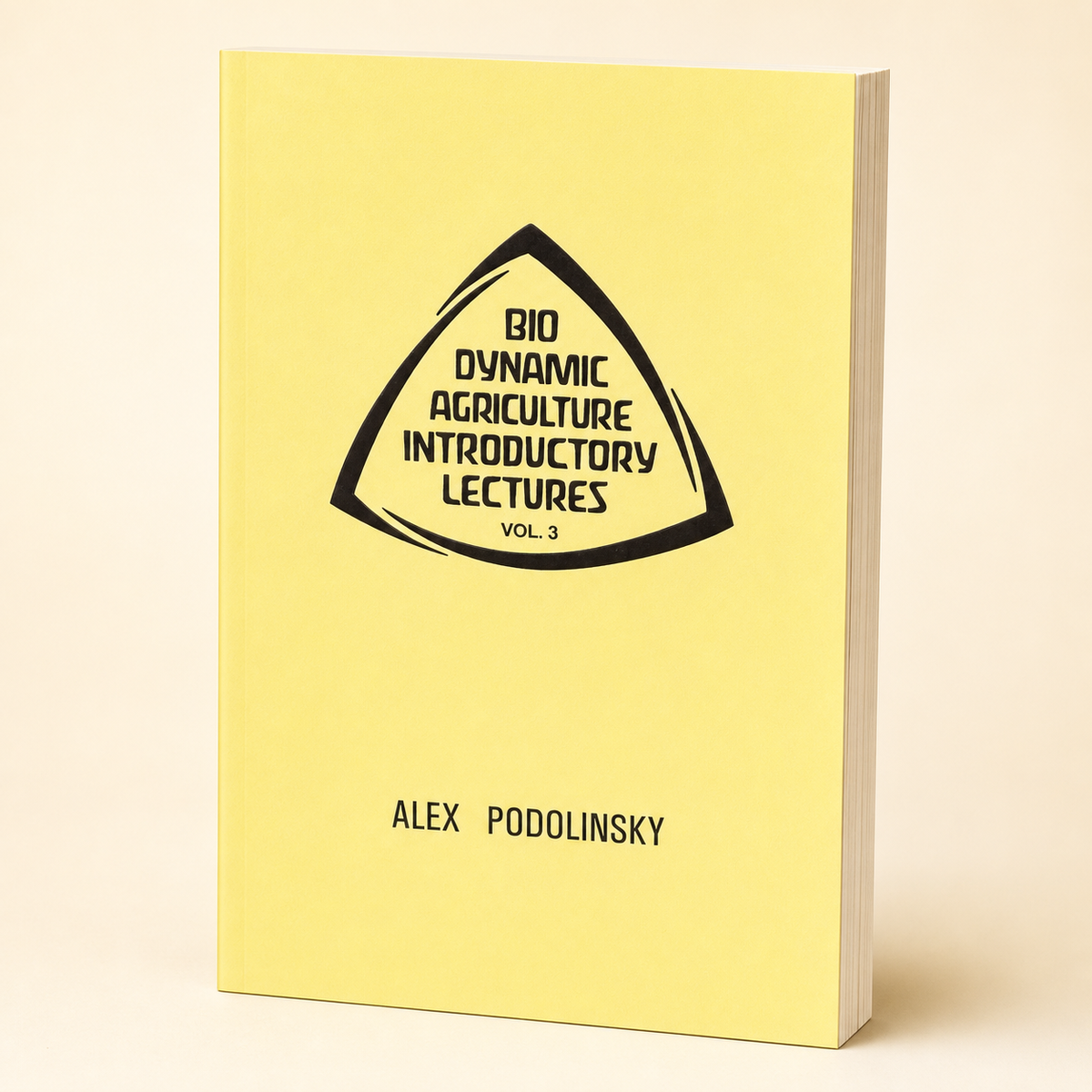
Conférences d'introduction à l'agriculture biodynamique Vol. 3 par Alex Podolinsky

Conférences d'introduction à l'agriculture biodynamique Vol. 3 par Alex Podolinsky

Prix habituel $19.95 USD
Prix habituel Prix promotionnel $19.95 USD
Promotion Épuisé
Frais d'expédition calculés à l'étape de paiement.
Quantité
Afficher tous les détails

Description

Plus de détails sur l'agriculture biodynamique, suite du volume 2. Aperçu de l'industrie biologique, nutrition, maladies, but de l'existence, structure du sol, matière organique et humus, plantes malades, sol malade, préparations biodynamiques, terre qui respire, durabilité de l'humus.

Questions fréquemment posées

What topics are covered in Biodynamic Agriculture Introductory Lectures, Vol. 3?

Volume 3 continues Podolinsky’s presentation of biodynamic agriculture through nutrition and disease, soil structure, organic matter and humus, the biodynamic preparations, the living and breathing Earth, and the sustainability of humus.

Does BD 500 work on bare sand, or around actively growing white feeder roots in sparse pasture?

Podolinsky wrote that 500’s effect develops with actively growing white feeder roots, rather than acting mechanically on bare soil. In sparse sandy grassland he observed the effect around the plants while the sand between them changed little. This describes where the response develops; it does not change JPI’s instruction to spray BD 500 on moist soil shortly before sowing or transplanting, mainly in spring or fall, after the prescribed one-hour stir. (Alex Podolinsky, Bio-Dynamic Agriculture Introductory Lectures, Vol. 3, p. 49.)

Why apply Prepared 500 after cultivating vegetable soil?

Podolinsky explains that cultivation can disrupt the structure and colloidal condition of active humus. He recommends Prepared 500 on newly cultivated vegetable soil so white hair roots develop as the crop grows and takes up elements, helping structure the soil within their reach. Follow JPI’s current Prepared 500 directions for the amount, stirring, water, and application. (Alex Podolinsky, Bio-Dynamic Agriculture Introductory Lectures, Vol. 3, p. 54.)

In Podolinsky’s Introductory Lectures Vol. III citrus-grove account, how did soil structure and orange flavor change over the years?

Podolinsky describes a citrus grove that had been organically managed for ten years, with regularly mowed white-clover-rich pasture beneath the trees, yet poor soil structure and white hair-root development, especially where “Round-Up” had been used. The oranges initially tasted “acidy bitter.” He says the herbicide after-effect made biodynamic soil-structure development take years longer than usual; as the soil gradually developed, “acidity reduced noticeably and was replaced by choicest sweet flavours.” This is his particular grove’s soil-and-fruit sequence. (Alex Podolinsky, Bio-Dynamic Agriculture Introductory Lectures, Vol. 3, p. 55.)