


Descripción
Descripción
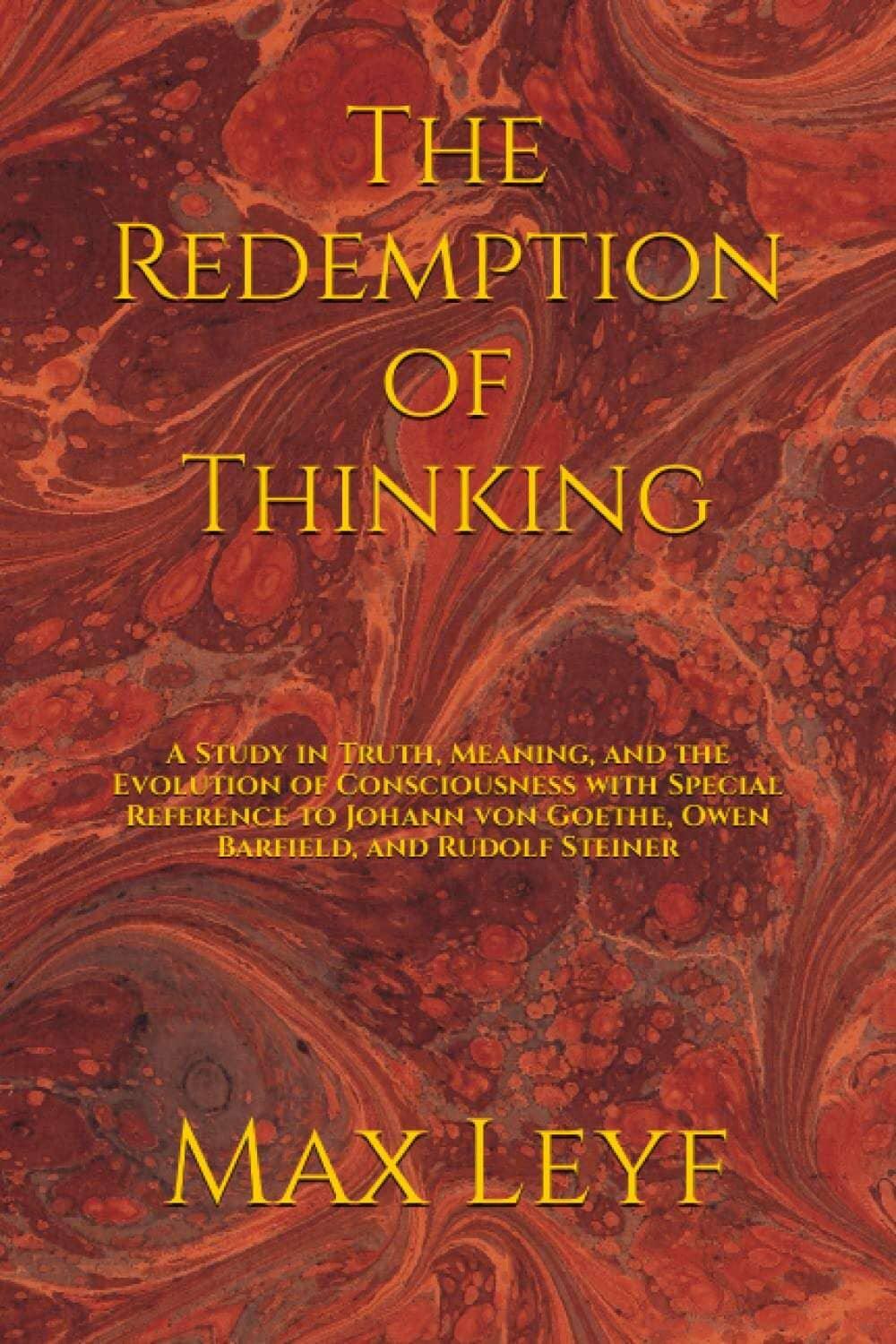
Verdad y significado: ¿cuál es su relación? ¿Serán alguna vez uno solo? Esta tesis intenta mostrar cómo el predominio de un método particular de investigación desde el siglo XVII ha sacrificado el significado en la búsqueda de la verdad. Al mismo tiempo, las perspectivas sobre el significado que la filosofía posmoderna ha conferido se han obtenido mediante el sacrificio de la verdad. Basándome en la obra de J. W. von Goethe (1749-1832), Owen Barfield (1898-1997) y Rudolf Steiner (1861-1925), lo que sigue es mi intento de reconciliar esta disyunción entre verdad y significado que ha llegado a caracterizar la época actual. Específicamente, espero mostrar que el método de conocimiento de Goethe, tal como lo perfeccionó Steiner y como lo contextualizó Barfield en la evolución de la conciencia, logra integrar los dos polos indicados anteriormente sin sacrificar la objetividad del primero ni la subjetividad del segundo.


Preguntas frecuentes
What is the main theme of "The Redemption of Thinking"?
Who wrote the book, and which thinkers does it discuss?
What is the significance of Goethe’s way of knowledge in the book?
What kind of reader is this book best suited to?