


Description
Description
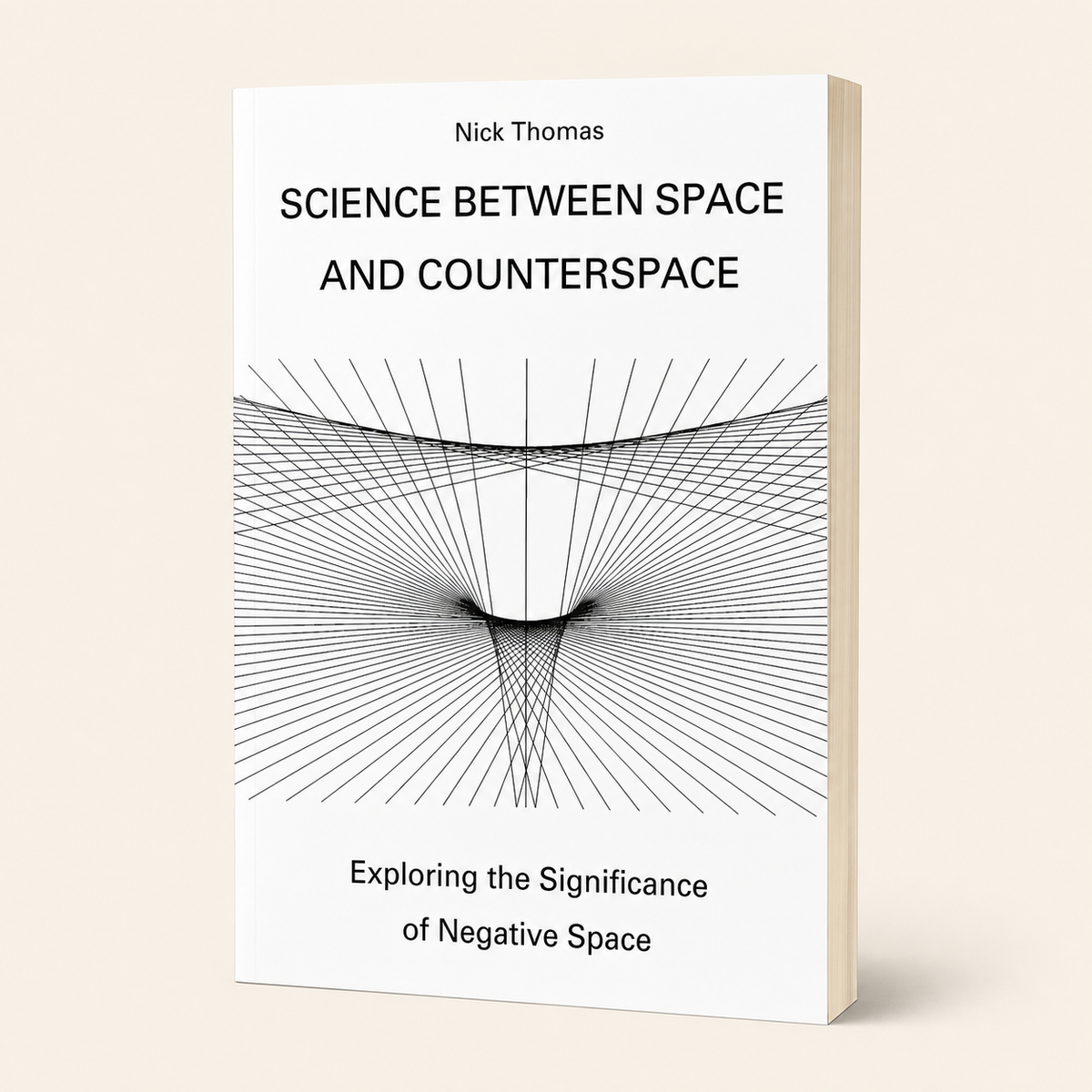
Rudolf Steiner discovered that, in addition to "ordinary" space, negative space, or "counterspace," also exists, leading to a more holistic worldview. Steiner suggested that it was important to understand counterspace as a necessary supplement to the conventional approach.
Science between Space and Counterspace relates the phenomena of our world to both space and counterspace, which leads to a new scientific understanding. If counterspace actually exists, then the resulting interplay between counterspace and "ordinary" space must be significant. This concept is applied to gravity, liquids, gases, heat, light, chemistry, and life. Each aspect involves a separate investigation, whereas the various threads begin to interweave and become a unified whole. A new concept of time, and indications for a new approach to relativity and quantum physics begin to emerge.

Frequently Asked Questions
What is the main concept of "Science Between Space and Counterspace"?
Who is the author of "Science Between Space and Counterspace"?
How does the book relate to scientific fields?
What topics does this book cover?
- Choosing a selection results in a full page refresh.
- Opens in a new window.