


Description
Description
Written 1884-1885; first published 1886 (CW 2)
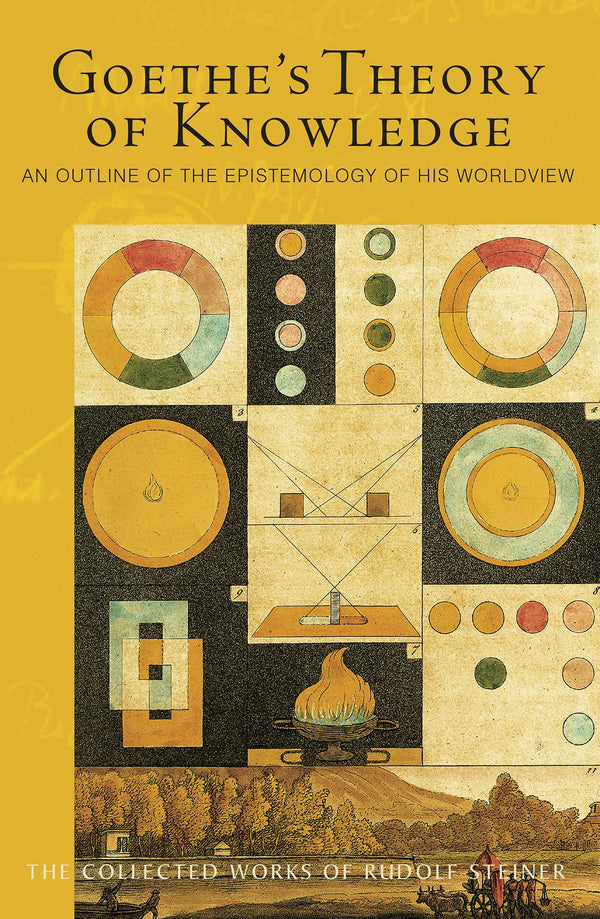
As the editor of Goethe’s scientific writings during the 1880s, Rudolf Steiner became immersed in a worldview that paralleled and amplified his own views in relation to epistemology, the interface between science and philosophy, the theory of how we know the world and ourselves. At the time, like much of the thinking today and the foundation of modern natural science, the predominant theories held that individual knowledge is limited to thinking that reflects objective, sensory perception. Steiner’s view was eventually distilled in his Anthroposophical Leading Thoughts in 1924:
There are those who believe that, with the limits of knowledge derived from sensory perception, the limits of all insight are given. Yet if they would carefully observe how they become conscious of these limits, they would find in the very consciousness of the limits the faculties to transcend them.
In this concise volume, Steiner lays out his argument for this view and, moreover, begins his explication of how one goes beyond thinking to the observation of thinking itself.
Goethe’s Theory of Knowledge is essential reading for a deeper understanding of Rudolf Steiner’s seminal work, Intuitive Thinking as a Spiritual Path: A Philosophy of Freedom.
Frequently Asked Questions
What is Goethe's Theory of Knowledge about?
Who is the author of Goethe's Theory of Knowledge?
Why is this book important for understanding Rudolf Steiner's work?
When was Goethe's Theory of Knowledge first published?