


Description
Description
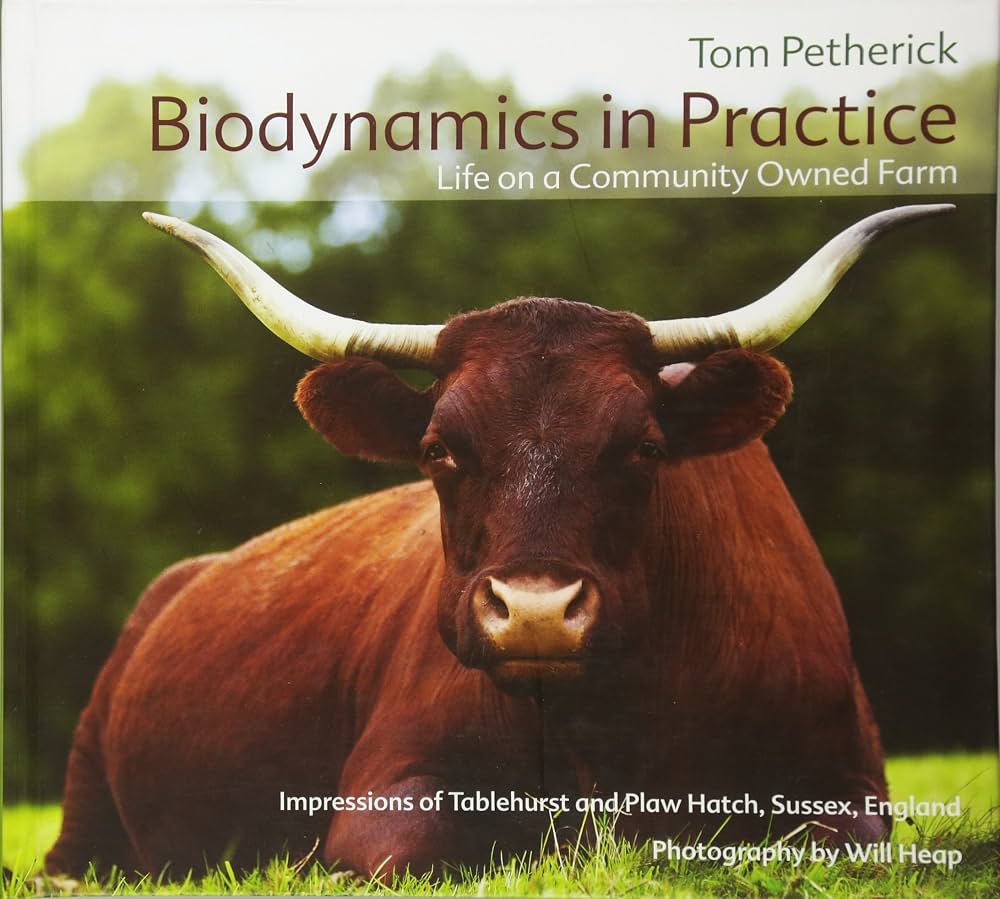
Impressions of Tablehurst and Plaw Hatch, Sussex, England. Photography by Will Heap. Jan 31, 2011. 128 pages.
Based on a series of eight lectures by Rudolf Steiner in 1924, the movement for biodynamic agriculture today involves many hundreds of farms and millions of consumers worldwide. Much has been written about the unique perspectives of biodynamic methods for farming, nutrition, the world of nature, and the wider cosmos. But how does it work in practice? What is it like to run a farm based on its principles?
England’s Tablehurst and Plaw Hatch farms are a cooperative venture in which the local community plays a crucial role. As successful commercial enterprises with large production, they have a growing reputation for the excellence of their produce. Through interviews, commentary, and dozens of full-color photos, Biodynamics in Practice offers a guided tour of the farms from the view of a sympathetic visitor. It illustrates how biodynamic farms work, how they differ from conventional and organic farms, and why that difference is important. In short and accessible vignettes, the book looks at many aspects of farm life, including animal rearing and welfare—cattle, sheep, pigs and poultry—crop growth, dairy, and cheese making, as well as beekeeping and the care of people with special needs. It also introduces biodynamics itself, with brief histories of the two farms.
People often view farms simply as food-producing factories; this book, however, shows that they can be much more, offering spiritually sustaining focal points of community cohesion and participation.

Frequently Asked Questions
What is biodynamic farming?
How does Biodynamics in Practice describe a biodynamic farm?
Who can benefit from reading Biodynamics in Practice?
What farm activities does Biodynamics in Practice cover?