


Description
Description
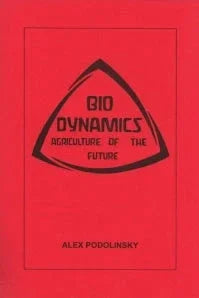
An excellent introduction to the Biodynamic method of agriculture for farming and gardening. It also provides consumers with a comprehensive, yet easily readable explanation of the difference between organic and BD farming and product quality.
Inside the book: a biodynamic farm on originally poor sand
In his June 1999 lecture, Podolinsky describes the farm pictured in the book after several decades without artificial fertiliser, though its soil had originally been poor sand. Agronomists from a fertiliser company analysed clover leaves and found “a full supply of all major and minor elements.” The farm produced grains and raised cattle, sheep, and pigs well. Explore this vivid working-farm account in Bio-Dynamics: Agriculture of the Future.
Source: Alex Podolinsky, Bio-Dynamics: Agriculture of the Future (2000), p. 17.
Inside the book: read the crop as you farm
Podolinsky describes fast, overgrown, blue-green, water-filled growth and still-green wheat lying flat as visible signs he associated with excessive nitrogen absorption and over-fertilisation. Observe these signs together in the crop and its growing conditions, then use them to guide a closer look at fertility and management. This is a separate practical observation from the poor-sand farm account above.
Source: Alex Podolinsky, Bio-Dynamics: Agriculture of the Future (2000), p. 7.
Inside the book: neighboring pastures after three rainless months
In Pictures 11–12, Podolinsky compares Trevor Cobbledick’s biodynamic pasture with a conventionally grown neighboring pasture about 20 metres away. After three months without rain, the deep, black biodynamic soil still supported pasture growth; neighboring soil and plants showed moisture stress. The photographs record this particular dry-weather field comparison and invite closer attention to living soil structure.
Source: Alex Podolinsky, Bio-Dynamics: Agriculture of the Future (2000), p. 15, Pictures 11–12.
Podolinsky’s plant signs in his own words
Podolinsky describes plants with excessive nitrogen absorption as “grow fast; are overgrown; blue green and hang water filled,” and notes still-green wheat lying flat. These are the precise visible field signs in his account: overgrown blue-green, water-filled growth and lodging in still-green wheat.
Source: Alex Podolinsky, Bio-Dynamics: Agriculture of the Future (2000), p. 7.

Frequently Asked Questions
What is biodynamic agriculture?
Who was Alex Podolinsky, and where should I start reading his work?
How does biodynamic farming build on organic farming?
What does Biodynamics: Agriculture of the Future cover?
- Choosing a selection results in a full page refresh.
- Opens in a new window.