


Description
Description
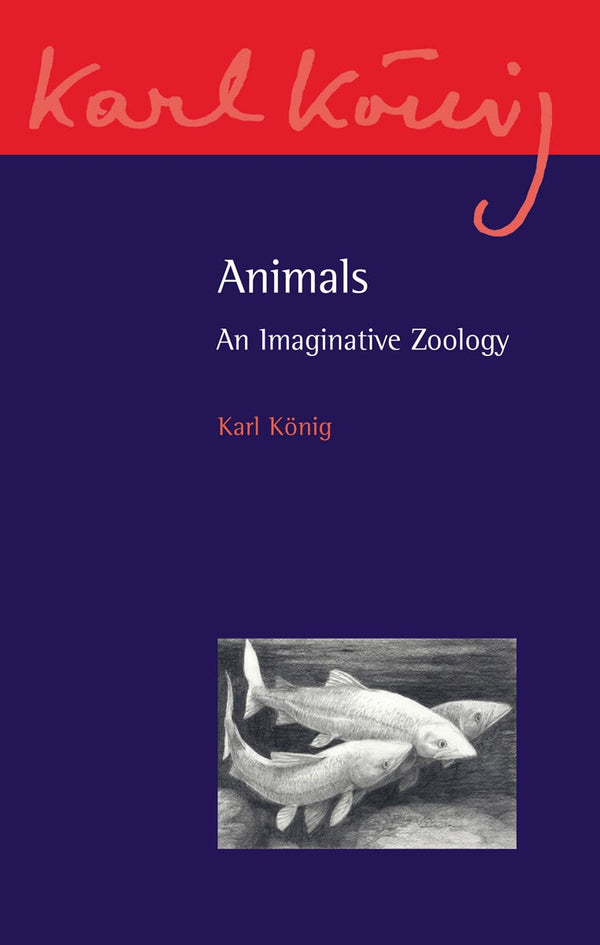
Karl König, founder of the Camphill movement, had great compassion and empathy for people on the margins of society. Equally, he felt the same brotherly feelings towards the animal world. This remarkable book offers a closer understanding of some specific mammals, fish and birds and, along the way, great insight into human nature as well.
A combination of three previous editions, König considers the mythological and historical background, and unique characteristics, of elephants, bears, horses, cats and dogs; penguins, seals, dolphins, salmon and eels; and swans and stork, sparrows and doves. Together, the lively sketches form a visionary zoology.
The essays in this volume were first published in the journal Die Drei in Stuttgart, starting with "The Migration of Salmon and Eels" and "The Dove as a Sacred Bird" in 1956.
A combination of three previous editions, König considers the mythological and historical background, and unique characteristics, of elephants, bears, horses, cats and dogs; penguins, seals, dolphins, salmon and eels; and swans and stork, sparrows and doves. Together, the lively sketches form a visionary zoology.
-
Contents
- Introduction by Imanuel Klotz
- The Origin of Seals
- The Life of Penguins
- The Migration of Salmon and Eels
- Elephants
- The Bear Tribe and its Myth
- Swans and Storks
- The Dove as a Sacred Bird
- The Sparrows of the Earth
- Dolphins – Children of the Sea
- Cats and Dogs – Companions of Man
- Brother Horse
The essays in this volume were first published in the journal Die Drei in Stuttgart, starting with "The Migration of Salmon and Eels" and "The Dove as a Sacred Bird" in 1956.
Frequently Asked Questions
What animals are covered in 'Animals by Karl König'?
What unique features does 'Animals by Karl König' offer?
Who is the author of 'Animals by Karl König'?
Where were the essays in this book first published?