


विवरण
विवरण
अप्रिल १९९९। १९२ पृष्ठहरू।
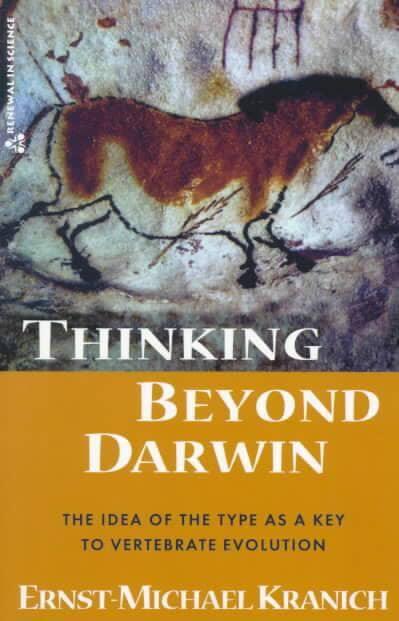
अर्न्स्ट-माइकल क्रानिचले "डार्विनभन्दा बाहिर सोच" मा विकासवादी विज्ञानको केन्द्रीय समस्यामा ध्यान केन्द्रित गरेका छन्। उनले हामीलाई गोएथेको वनस्पति र प्राणीशास्त्रीय अनुसन्धानमा आधारित जीवहरूको सुसंगतता र भित्री गतिशीलता हेर्ने बाटो देखाउँछन्।
गोएथेको प्रकारको अवधारणालाई कशेरुका विकासको कुञ्जीको रूपमा प्रयोग गर्दै, क्रानिचले विधिवत रूपमा विकासको विज्ञानको जग बसाल्छन्। उनी विकासवादी विज्ञानको केन्द्रीय समस्यामा केन्द्रित छन्: के त्यहाँ धेरै भिन्न तथ्यहरूलाई जोड्ने अन्तर्निहित सिद्धान्तहरू छन्? विकासवादी सोचमा गोएथेको विधिलाई निरन्तर रूपमा लागू गरेर, क्रानिचले विकासका नियमहरू र चालक शक्तिहरू जीवित जीवहरूको भित्री वैधताद्वारा समेटिएका छन् र हामीले विकासवादी प्रक्रियाहरूमा रचनात्मक सोच मार्फत भाग लिनुपर्छ भनेर देखाउँछन्।
डार्विनभन्दा बाहिर सोच्दा, विकासको अझ पर्याप्त अवधारणाहरूको विकासमा महत्त्वपूर्ण योगदान पुर्याउँछ र पहिलेका जनावरहरूको रूपहरू र विकासवादी नियमहरूको बारेमा स्पष्ट अन्तर्दृष्टिहरूमा पुग्छ जसले भविष्यको विकासवादी सोचको लागि ठूलो परिणाम निम्त्याउन सक्छ।
Frequently Asked Questions
What central question does Thinking Beyond Darwin investigate?
How does Kranich use Goethe’s scientific method?
What does the book mean by the inner lawfulness of organisms?
What contribution does the book aim to make to evolutionary thought?