


विवरण
विवरण
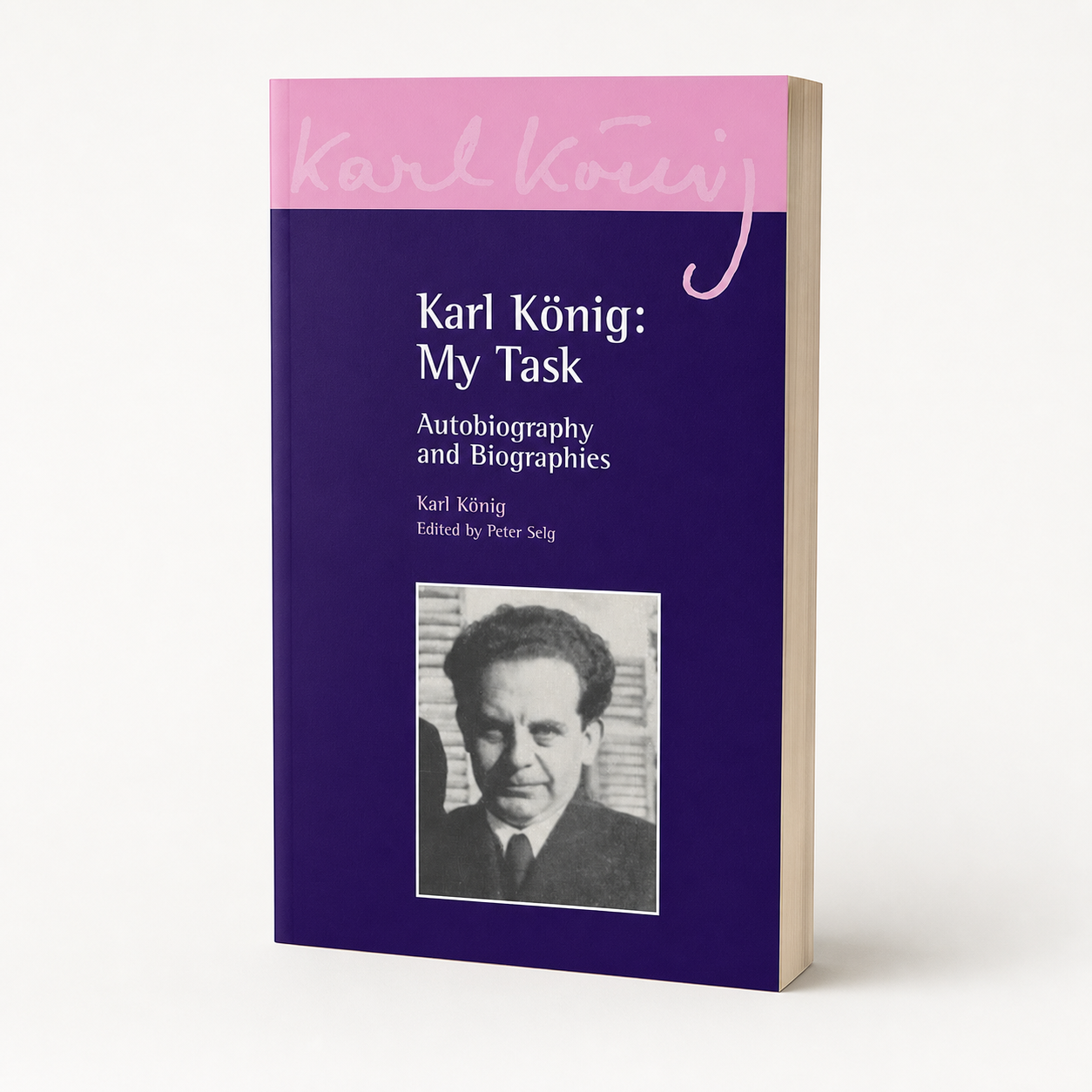
१९०२ मा एक यहूदी परिवारमा जन्मेका कार्ल कोनिग अस्ट्रो-हंगेरी साम्राज्यको अन्तिम वर्षहरूमा भियनामा हुर्केका थिए। उनले चिकित्साशास्त्र अध्ययन गरे र यस समयमा रुडोल्फ स्टेनरको काम भेटे। स्नातक गरेपछि उनले स्विट्जरल्याण्डमा इटा वेगम्यानसँग काम गरे, जहाँ उनले आफ्नी श्रीमती टिलालाई पनि भेटे।
जर्मनीको सिलेसियामा विशेष आवश्यकता भएका बालबालिकाहरूको लागि रहेको घर, पिल्ग्रामशेनको प्रारम्भिक दिनहरूमा उनी अग्रगामी थिए। यद्यपि, १९३६ मा राजनीतिक दबाबमा उनी जर्मनी छोडेर अस्ट्रिया गए। यहाँ उनको ठूलो चिकित्सा अभ्यास थियो र साथै स्टेनरको काममा रुचि राख्ने युवाहरूको समूहको केन्द्रबिन्दु पनि थियो।
नाजीहरूले अस्ट्रियालाई आफ्नो कब्जामा लिएपछि, कोनिग र उनका वरपरका धेरै युवाहरू शरणार्थीको रूपमा बेलायत आए। १९३९ मा क्याम्पहिलको स्थापनासँगै समुदायको रूपमा सँगै काम गर्ने आदर्श व्यवहारमा उतारियो। ब्रिटिश टापुहरूभरि युरोप, दक्षिण अफ्रिका र उत्तरी अमेरिकामा क्याम्पहिल आन्दोलनको विस्तारको पछाडि कोनिग प्रेरक शक्ति थिए। उनको १९६६ मा मृत्यु भयो।

Frequently Asked Questions
Who was Karl König?
What is the Camphill movement?
What topics does 'Karl König: My Task' cover?
Who edited 'Karl König: My Task'?