


विवरण
विवरण
आफ्नै बायोडायनामिक तयारीहरू बनाउनुहोस्!
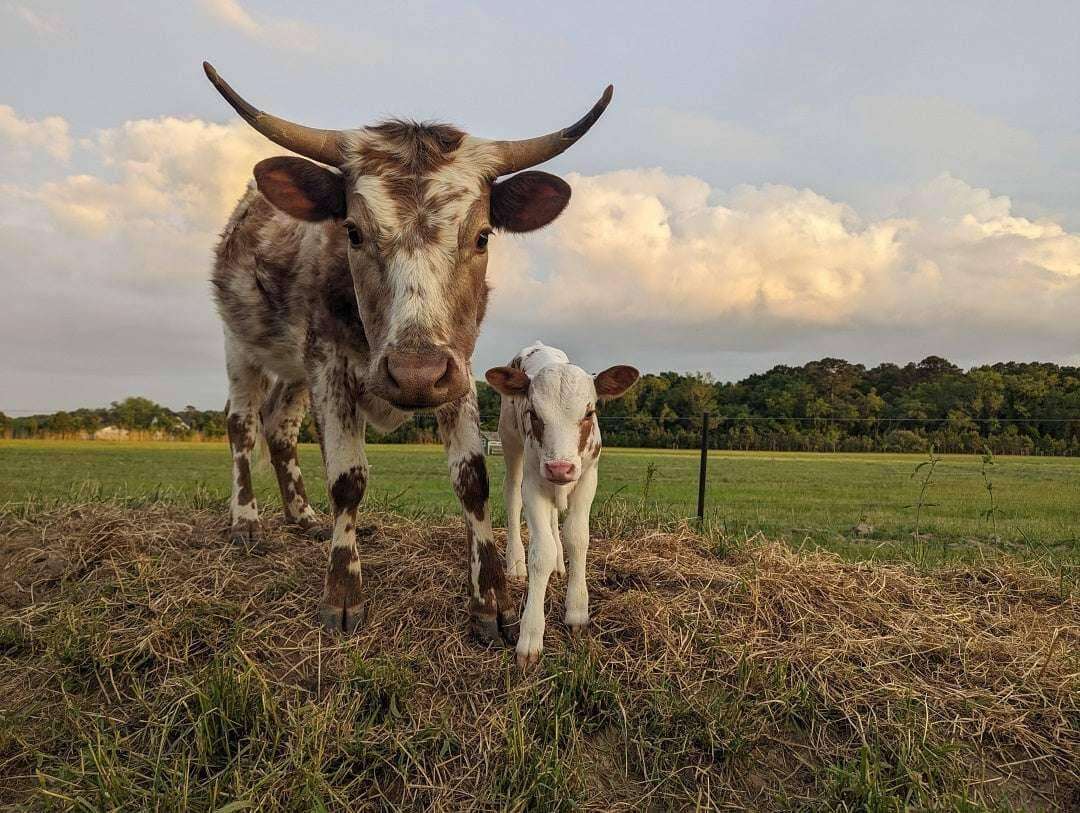
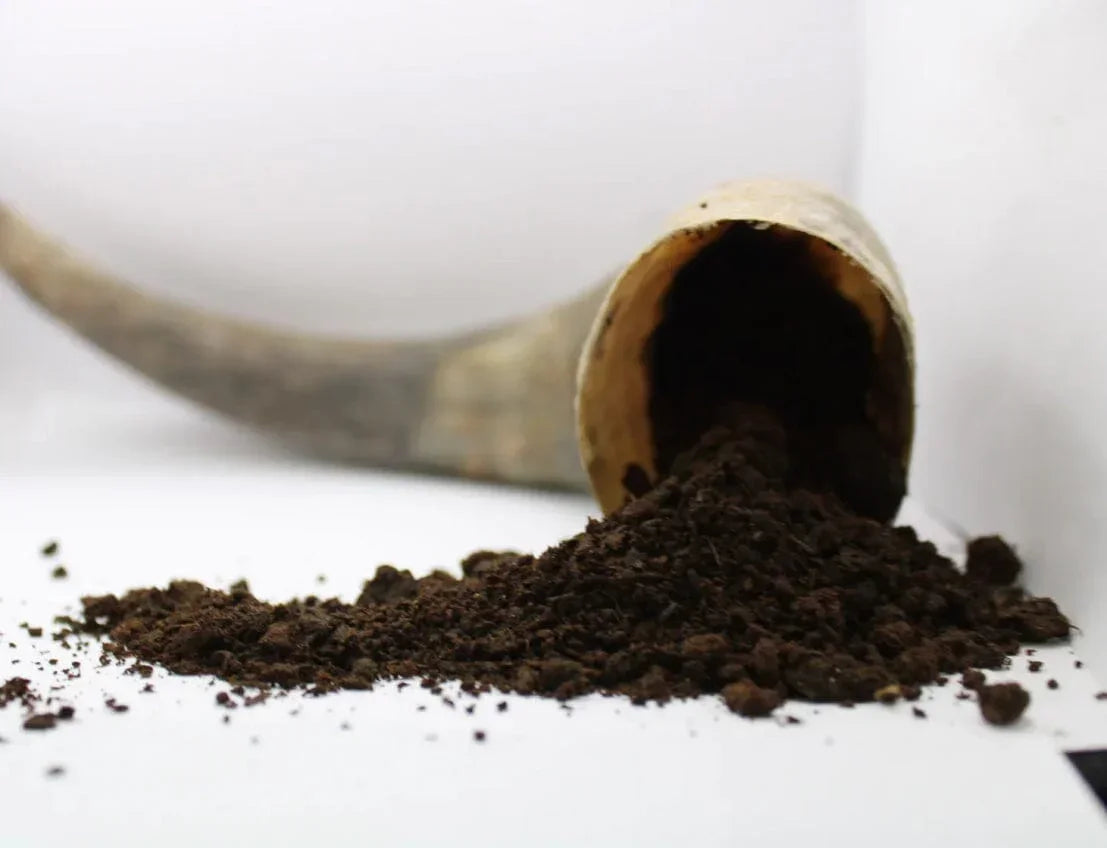
सकेसम्म राम्रो गाईको मल सङ्कलन गर्नुहोस्, सिङ भर्नुहोस्, र जाडोमा बगैंचाको उर्वर ठाउँमा गाड्नुहोस् ताकि तपाईंको आफ्नै सिङ मल बनोस्। एउटा सिङले तीन (३) एकड जमिनको लागि लगभग ५०० सिङ मल पर्याप्त हुन्छ।
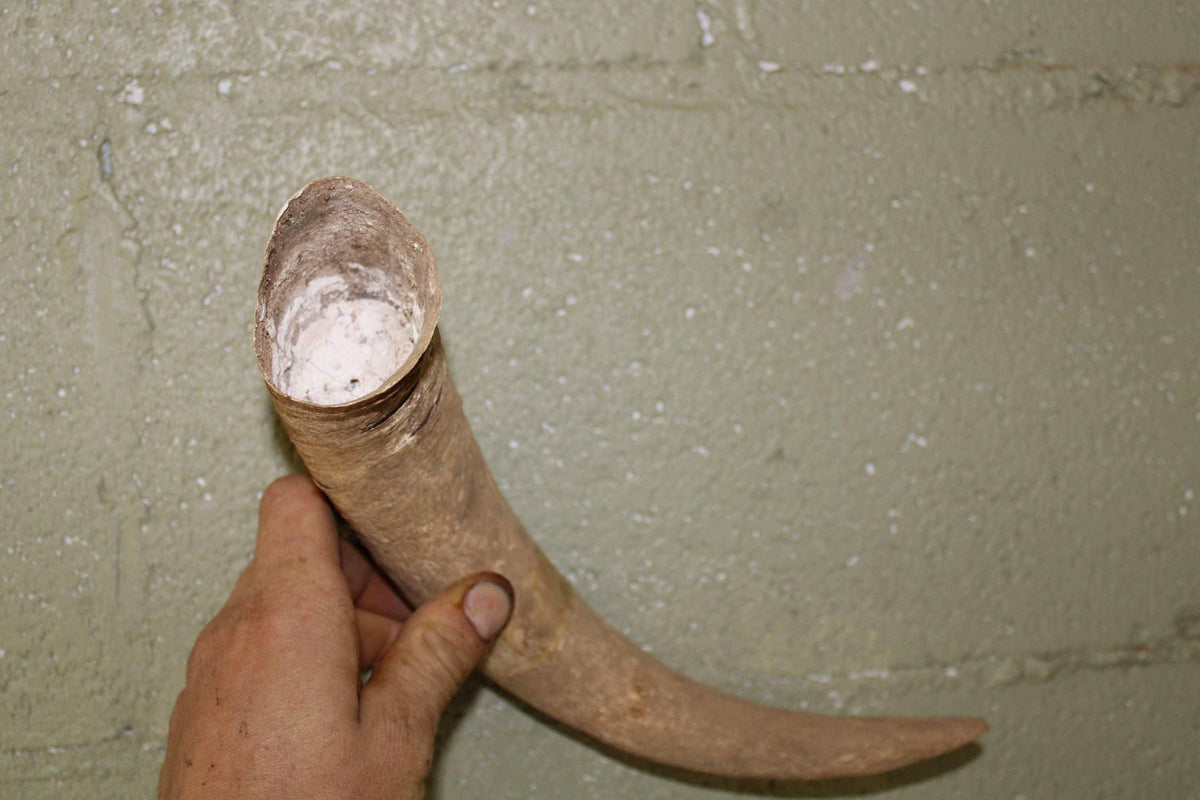
यसको विपरीत, तपाईं सिङहरू प्राप्त गर्न सक्नुहुन्छ, क्वार्ट्जलाई मसिनो पीठोमा पिस्न सक्नुहुन्छ (मास्क लगाउनुहोस्!), सेतो पेस्ट बनाउन पानीमा मिसाउनुहोस्, र सिङ भर्नुहोस्। गर्मीमा सिङ गाड्नुहोस्। यसले धेरै एकडको लागि पर्याप्त ५०१ सिङ सिलिका बनाउँछ (प्रति एकड १ चम्चा)।
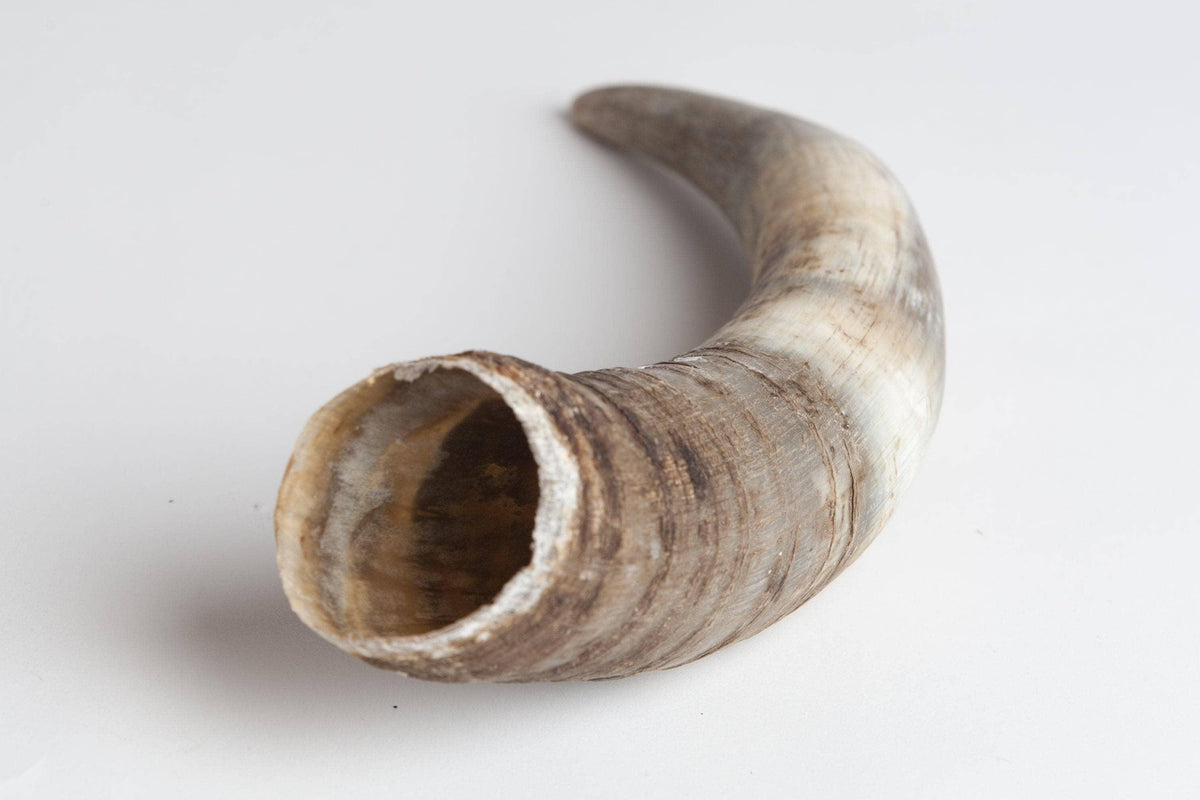
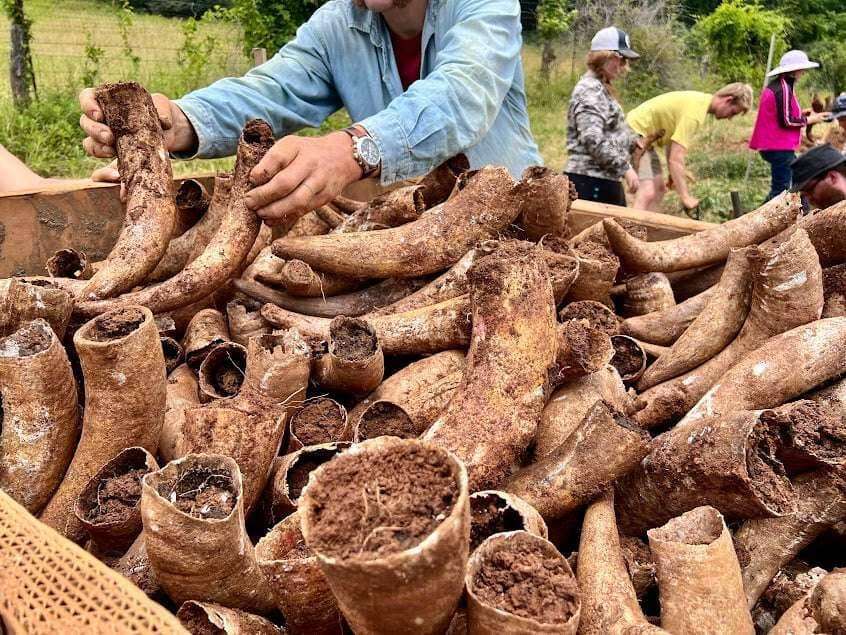
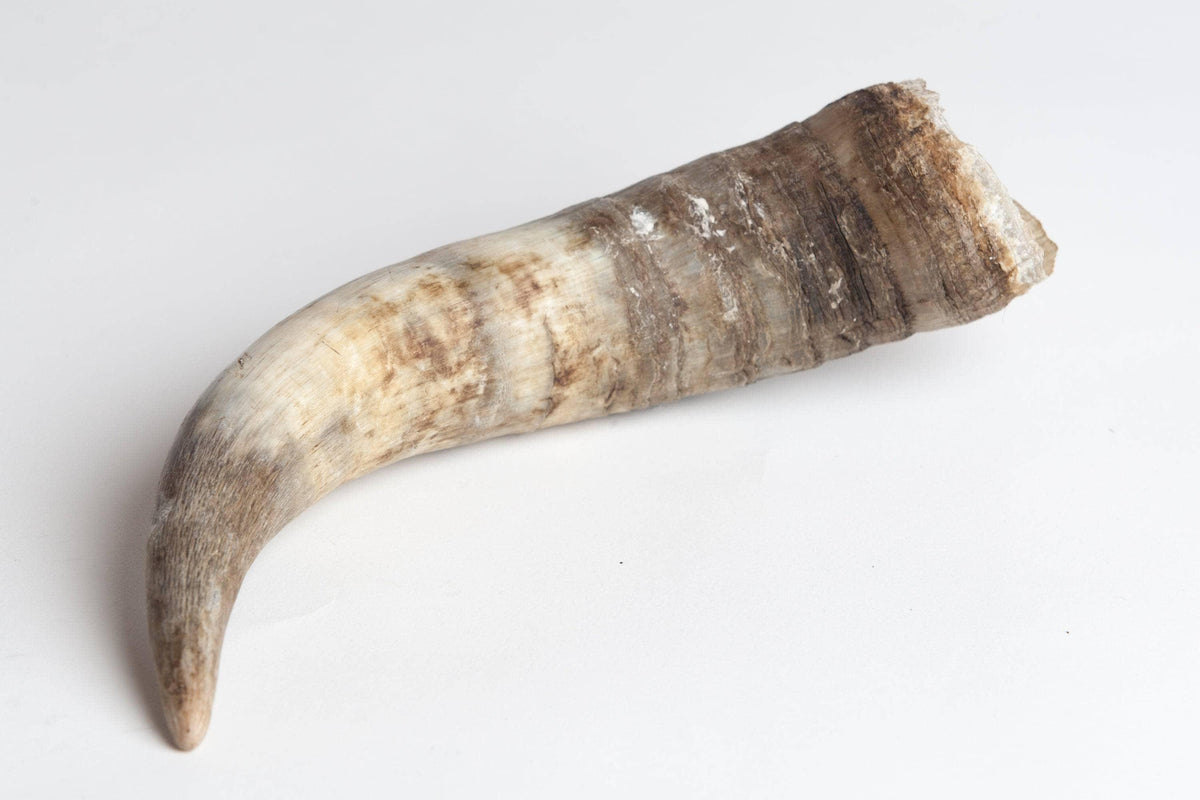
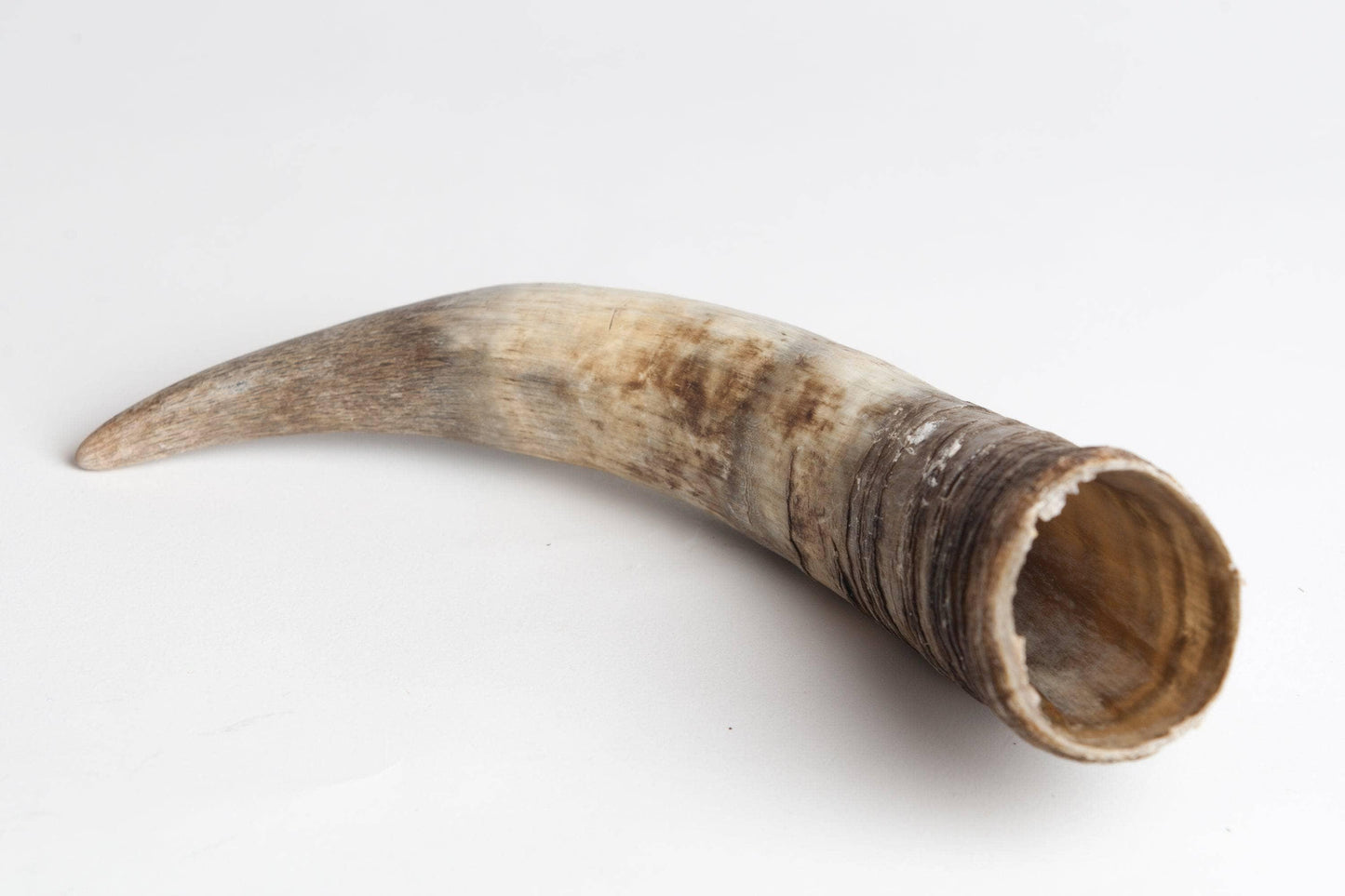
हाम्रा प्रयोग गरिएका सिङहरू ५०० सिङ मल र ५०१ सिङ सिलिकाको बारम्बार सफल ब्याचहरू बनाउन प्रयोग गरिएको छ।
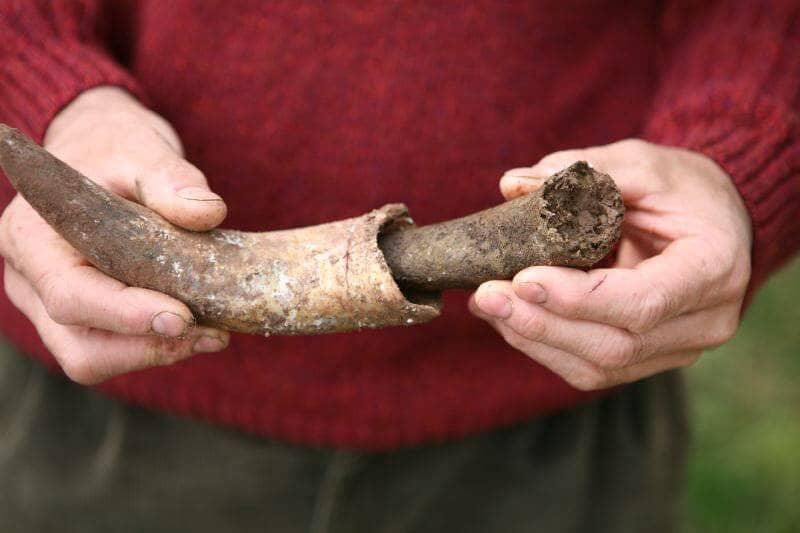
यी प्रयोग गरिएका सिङहरू बायोडायनामिक्सको "मदर कल्चर" सँग सिजन गरिएका हुन्छन् र स्वस्थ सिङ मलमा परिणत हुने बलियो प्रवृत्ति हुन्छ। स्टेनरको संकेत अनुसार, सिङहरू कम्तिमा चार (४) वर्षसम्म उपयोगी हुन्छन्, यदि केही वर्ष होइन भने (यदि गोठमा गाईहरूको नजिक "रिचार्ज" गरियो भने)। केही बायोडायनामिक अभ्यासकर्ताहरूले सिङहरू विघटन नभएसम्म पुन: प्रयोग गर्छन् र दाबी गर्छन् कि प्रयोग गरिएका सिङहरू नयाँ सिङहरू भन्दा उल्लेखनीय रूपमा राम्रो हुन्छन्। हाम्रो अनुभवमा, नयाँ सिङहरूले प्रायः बायोडायनामिक प्रक्रियामा "अनुकूल" हुन प्रारम्भिक मौसम लिन्छन्, र त्यसपछि हामीले खोजिरहेको सिङ मल उत्पादन गर्न उत्सुकतापूर्वक लाग्छन्। हामी तिनीहरूलाई तपाईंलाई महत्त्वपूर्ण छुटमा प्रस्ताव गर्छौं, र तपाईंलाई आफ्नै सम्पत्तिमा आफ्नै तयारीहरू गर्ने अभ्यास गर्न प्रोत्साहित गर्छौं।
Frequently Asked Questions
How are cow horns used in biodynamic farming?
How much area can one cow horn cover?
Why are used cow horns preferred over new ones?
How long can a cow horn be reused for biodynamic preparations?
- पूर्ण पृष्ठ रिफ्रेसमा छनौटको परिणामहरू छनौट गर्दा।
- नयाँ विन्डोमा खुल्छ।