
Conversion to Biodynamics
At the heart of it is this: life on earth depends on a constant supply of new energy from the cosmos. If the sun ever turn off, it would get pretty cold here on earth!
Partager
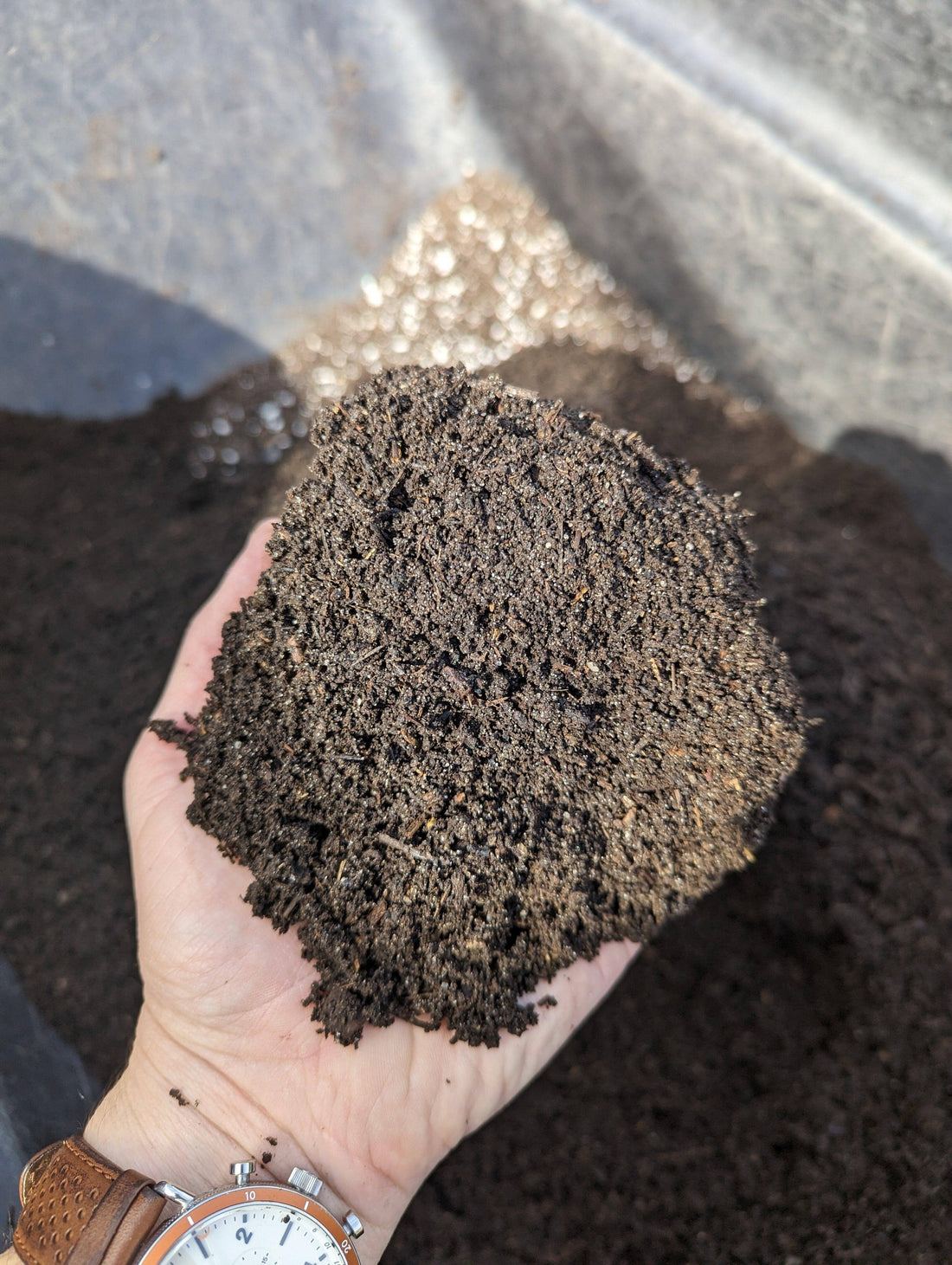
We begin with 500 Horn Manure as a foundational biostimulant for soil to help return vitality to tired fields. That's always step number one. It doesn't make sense to put living plants into dead soil, so the first thing to do is bring more life to your soil.
Alternatively, we can use the Pfeiffer™ Field and Garden Spray as a way to bring all the biodynamic preparations to the field in a single pass. The Pfeiffer™ products contain the 500 Horn Manure and the Compost Preparations. This premium product is proprietary to JPI and brings the full force of all the biodynamic preparations to your field in a single pass.
Plan biodynamic soil building across complete rotations
Pfeiffer calls for a clear farm plan extending “over at least two complete crop rotations.” He connects this horizon with renewing disturbed organic soil structure and applying manure a second time to the same parcel. Begin careful manure treatment, gather materials for compost, and use the preparations as the conversion begins; then follow the developing soil and crops through the full rotations. This is a soil-building plan, not a calendar-year or certification timetable.
Source: Ehrenfried Pfeiffer, Soil Fertility, Renewal & Preservation (revised ed., 1947), Chapter Eight, p. 71.
Choose the crops in each rotation for the individual farm
Pfeiffer says every region, soil type, climate, and set of marketing conditions calls for its own crop rotation. He calls for a legume among the crops every four years and describes five-to-seven-year rotations, often used in northern countries, as more beneficial than an intensive three-year sequence. Examples include clover sown with summer grain, beans or peas in place of summer grain, or a fodder legume the farm can use. The two-complete-rotations planning horizon above concerns how long to follow the conversion; this guidance concerns how to choose and sequence crops within each rotation.
Source: Ehrenfried E. Pfeiffer, Soil Fertility, Renewal & Preservation (revised ed., 1947), Chapter Eight, printed pp. 69 and 71.


