Pular para as informações do produto
1 de 2

The Josephine Porter Institute

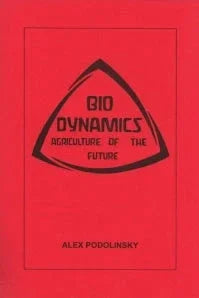
Biodinâmica: Agriculture of the Future (Agricultura do Futuro), de Alex Podolinsky

Biodinâmica: Agriculture of the Future (Agricultura do Futuro), de Alex Podolinsky

Preço normal $20.00 USD
Preço normal Preço promocional $20.00 USD
Promoção Esgotado
Frete calculado no checkout.
Quantidade
Ver informações completas

Descrição

Uma excelente introdução ao método biodinâmico de agricultura para cultivo e jardinagem. Ele também oferece aos consumidores uma explicação abrangente, mas de fácil leitura, sobre a diferença entre agricultura orgânica e biodinâmica e a qualidade do produto.
Frequently Asked Questions

What is biodynamic agriculture?

Biodynamic agriculture treats the farm as a living whole, combining organic and ecological practices with compost, cover crops, livestock where appropriate, biodiversity, the biodynamic preparations, and attention to seasonal and celestial rhythms. Its practical aim is to support living soil, plant vitality, and resilient farm relationships.

Who was Alex Podolinsky, and where should I start reading his work?

Alex Podolinsky developed a practical, large-scale approach to biodynamics in Australia, emphasizing observation of soil structure, plant form, stirring quality, and the preparations. Biodynamic Agriculture Introductory Lectures, Vol. 1 is a broad starting point: https://www.jpibiodynamics.org/products/biodynamic-agriculture-lectures-vol1

How does biodynamic farming build on organic farming?

Both approaches value ecological care and healthy soil. Biodynamic farming adds the farm-organism perspective, the biodynamic preparations, and attentive work with seasonal and celestial rhythms. Podolinsky presents these as a coherent additional path for growers seeking to deepen organic practice.

What does Biodynamics: Agriculture of the Future cover?

Podolinsky introduces the biodynamic method and the relationship between soil condition, plant form, farming practice, and product quality. The product page also highlights concrete field observations from the book, including vigorous farming on originally poor sand, a dry-weather pasture comparison, and visible signs of excessive nitrogen uptake.