Skip to product information
1 of 2

The Josephine Porter Institute

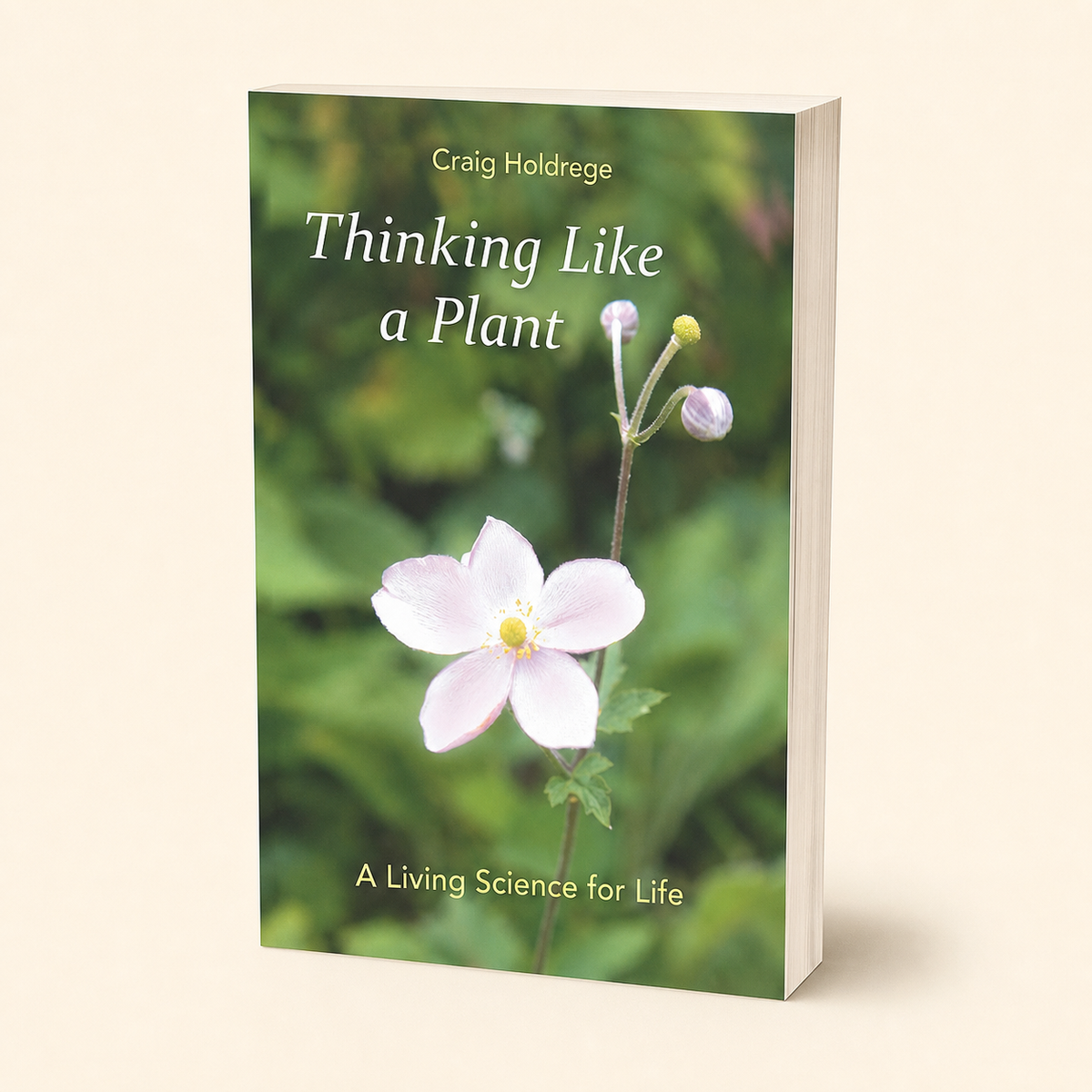
Thinking Like a Plant: A Living Science for Life by Craig Holdrege

Thinking Like a Plant: A Living Science for Life by Craig Holdrege

Regular price $27.50 USD
Regular price Sale price $27.50 USD
Sale Sold out
Shipping calculated at checkout.
Quantity

Description

Who would imagine that plants can become master teachers of a radical new way of seeing and interacting with the world? Plants are dynamic and resilient, living in intimate connection with their environment. This book presents an organic way of knowing modeled after the way plants live.

When we slow down, turn our attention to plants, study them carefully, and consciously internalize the way they live, a transformation begins. Our thinking becomes more fluid and dynamic; we realize how we are embedded in the world; we become sensitive and responsive to the contexts we meet; and we learn to thrive within a changing world. These are the qualities our culture needs in order to develop a more sustainable, life-supporting relation to our environment.

View full details

Frequently Asked Questions

What does Craig Holdrege mean by “living thinking”?

Holdrege describes living thinking as a participatory, transformative way of knowing that moves beyond fixed divisions between humanity and nature, subject and object, or mind and matter, with Goethe’s work as a principal guide.

Why does Thinking Like a Plant present plants as teachers?

Plants are dynamic, resilient beings that live in close relationship with their environments; Holdrege uses their way of living as a model for a more organic way of knowing.

What practice does the book invite readers to develop?

It invites readers to slow down, observe plants carefully, and internalize their living patterns so thought can become more fluid, responsive, and attentive to context.

How does the book connect plant observation with environmental responsibility?

Holdrege links careful plant study with recognizing our embeddedness in the world and developing a more sustainable, life-supporting relationship with the environment.